Blue Skye Farm Natural Science Education Internship
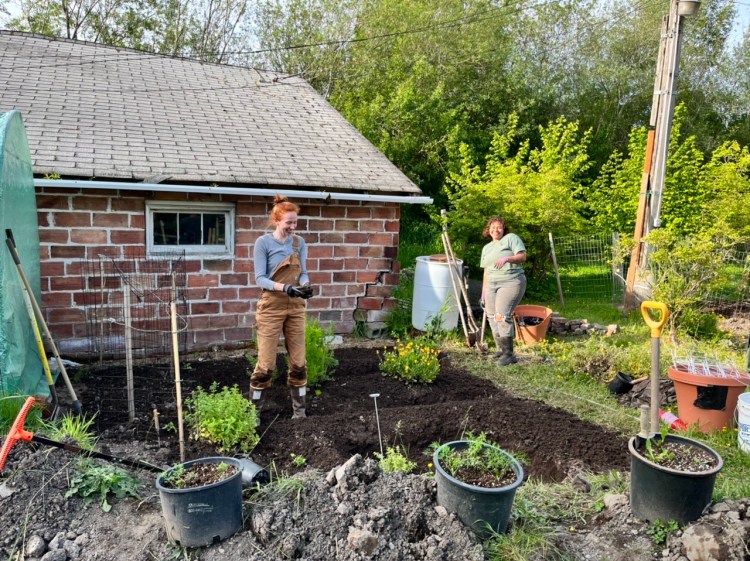
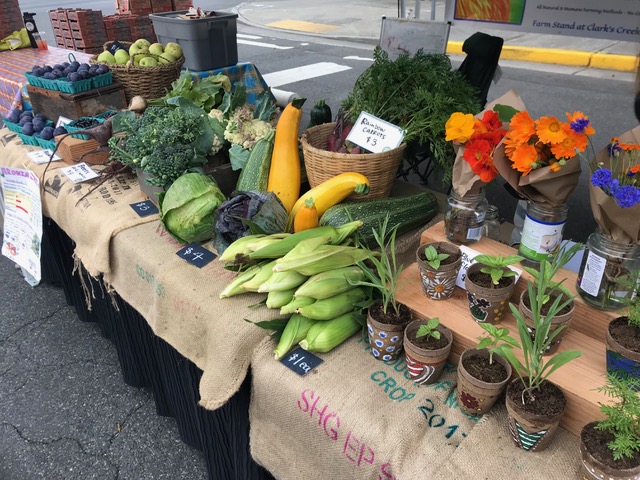
The Blue Skye Farm Natural Science Education Internship is a summer residential program that trains participants to educate the community about sustainable agriculture and natural science through our kids camps, farm stand, and u-pick tours.
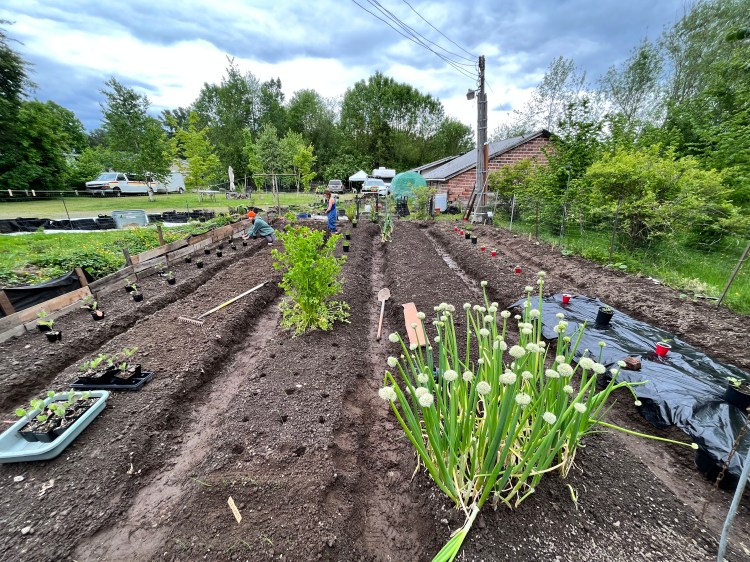
Certified by the Washington State Farm Internship Program, you’ll help run Blue Skye Farm, home of Wolf Camp & School of Natural Science, educating the community about growing and selling produce. This is an immersive work-trade experience, with room and board included for qualified applicants starting in early summer, with income available while helping to teach kids camps through late summer.
Initial application deadline is January 5 with preference given for those who have a passion for teaching natural science as well as sustainable agriculture, who want to return to work with us in future summers, and who live in Washington State. Our certification with the Washington State Farm Internship Project allows 2-3 positions, and another 1-2 positions are open in our Wolf Camp Earth Skills Teaching Apprenticeship.
FAQ – Mission, Directors & Participants
The mission of the internship is to guide you to become an excellent educator in the fields of natural science and sustainable agriculture. The program is designed for aspiring teachers of homesteaders, hobby farmers, and budding entrepreneurs to develop skills of energy conservation and self-sufficiency at our home campus on Blue Skye Farm. Work to learn homesteading, sustainability, permaculture and pedagogical skills to foster a revolutionary lifestyle of appropriate living that cultivates the home environment in a way that benefits nature as well as humans.
No matter your previous experience, you will be expected to fully participate in every possible training opportunity to push your skills to a higher level of excellence, although your own health will be the priority. We hope that along with your development of a personal medicine wheel of health, guided by permaculture principles, the values of earth skills, and your own self-care and self-motivation, you become a person to whom anyone could turn to in times of need.
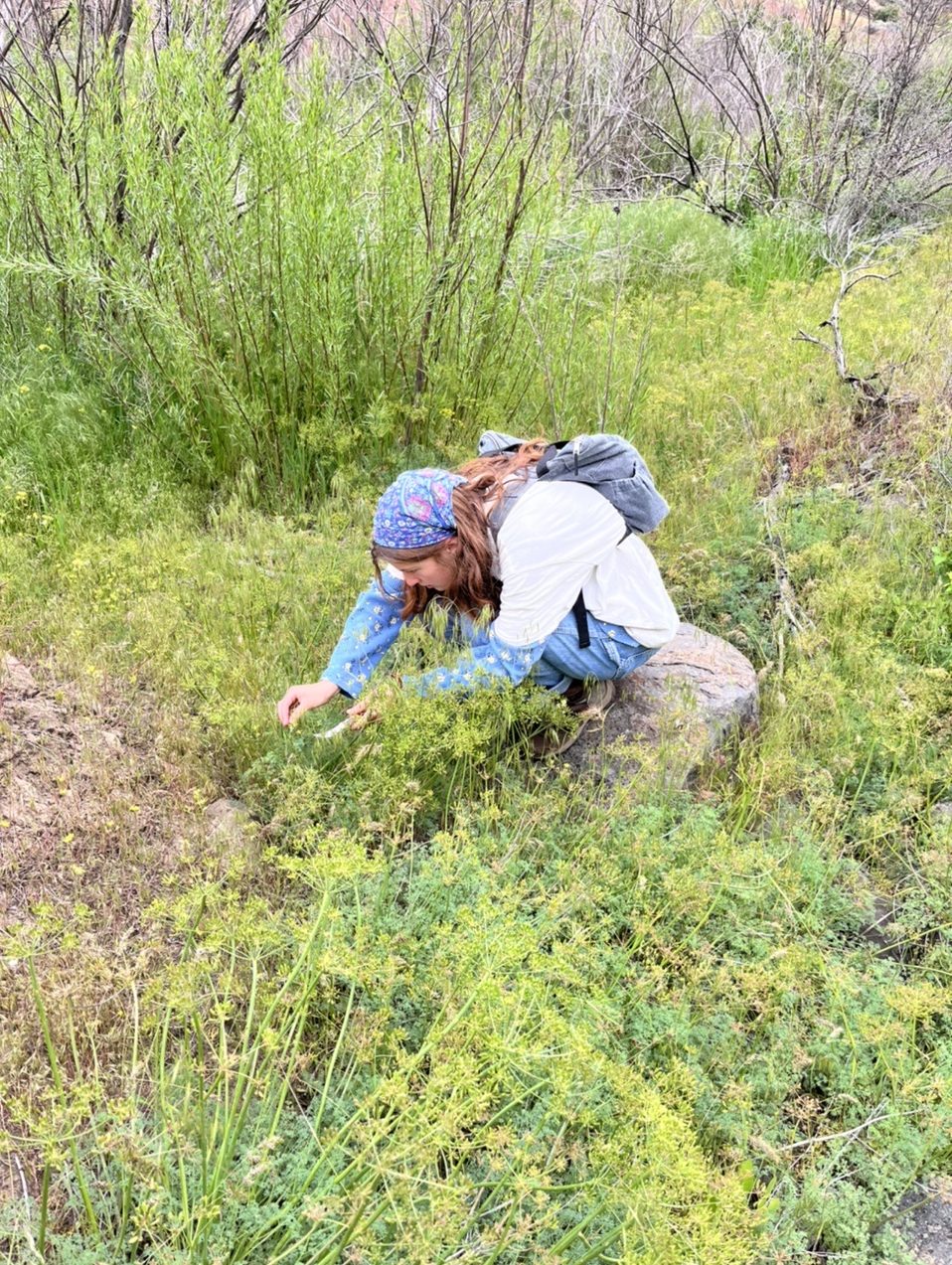
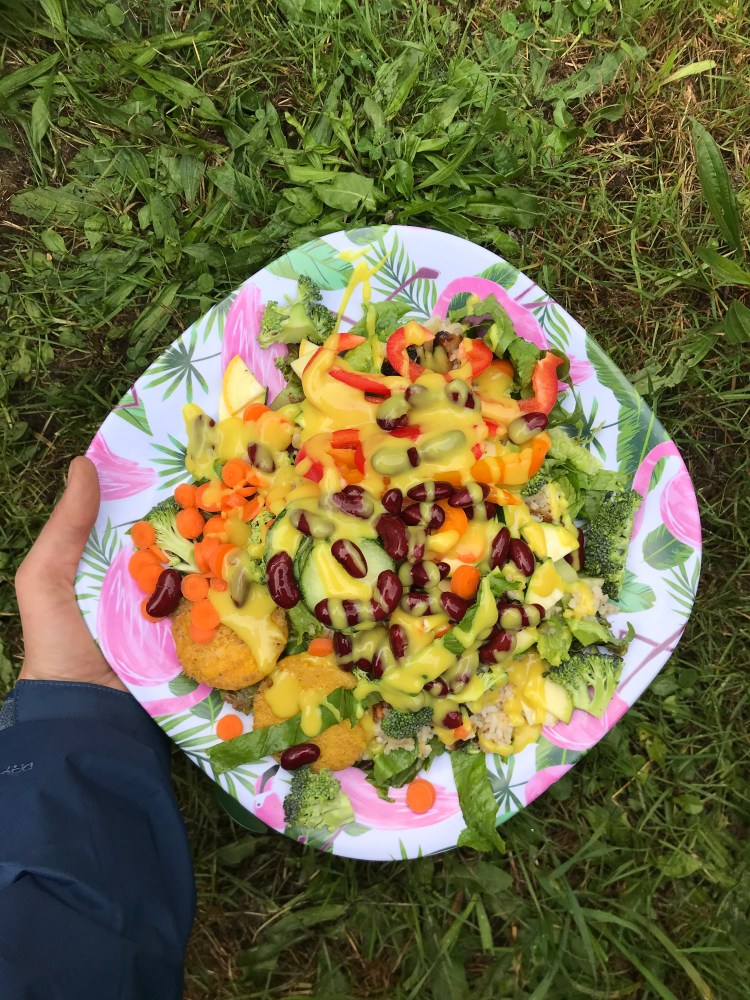
Skills you will develop include • Organic Fruit Orcharding, Herb & Vegetable Gardening • Wild Edible Foraging & Preparation • Medicinal Herb Collection & Preservation • Farm Animal Care & Cultivation • Sustainable Building & Wetland Restoration • Entrepreneurial Cottage Industry Budgeting • Paleo & Vegan Cooking & Food Storage and more.
Farm Internship Directors: Kim Chisholm will be your primary mentor through this experience, along with Chris Chisholm who will be guiding the Wolf Camp Earth Skills Teaching Apprenticeship alongside all our summer staff.
FAQ – Dates, Living Quarters, Cost & Compensation

2025 Dates for this full-time summer residential training program include June 15 – Aug 30. Room and board are provided, so most participants won’t have expenses all summer. In addition, participants can join payroll co-teaching summer camps in the second half of summer to earn approximately $700 per week. See schedule below for more details.
Living quarters are a room in farmhouse (best for couples or singles who are careful about cleanliness, sanitation, colds/flus and Covid-19) with full access to the kitchen and bathrooms, and a full-size fridge/freezer and storage space in the barn/garage.
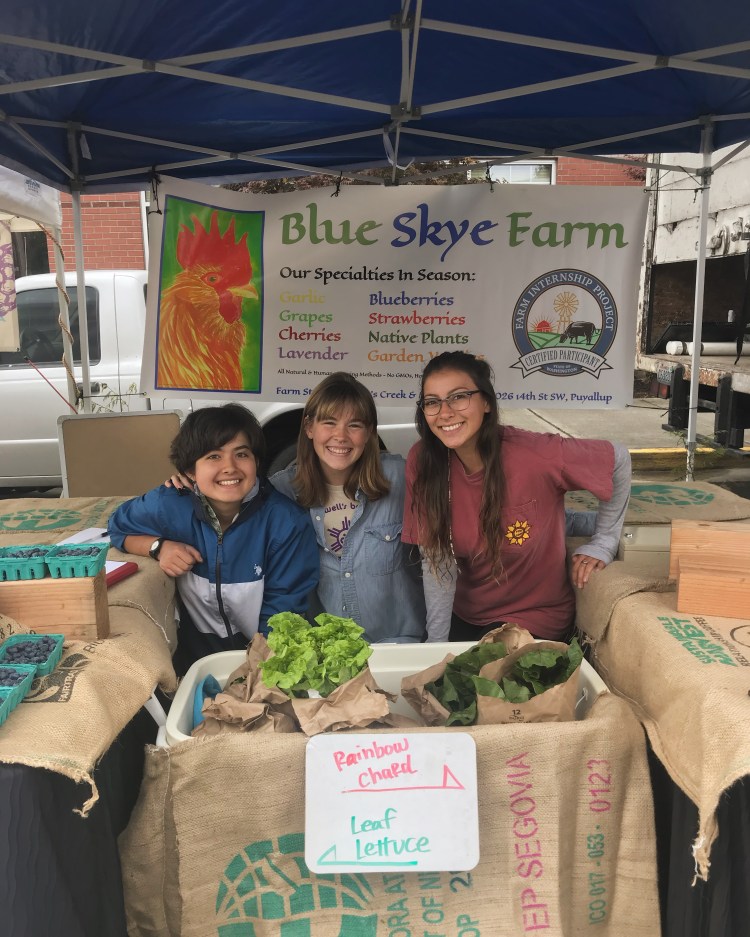
Work-Trade & Compensation: The internship is designed as a work-trade program. Besides produce that is directed to winter storage for farm owners and feeding summer staff, interns may keep 50% of farmstand revenue (open on weekends from end of June to end of September) which varies depending on weather, work productivity, and other variables common to farming.
We recommend you bring a simple laptop to keep track of work since we run of our business on Google Drive. Otherwise, there are no expenditures you will need to make throughout the summer, as all your expenses including room and board, workman’s compensation insurance, etc. are complimentary. However, most participants do supplement our meals, garden and orchard harvests with additional groceries as well as periodic fishing, clamming and wildcrafting trips with Wolf Camp apprentices. To participate in some of those activities, you may need appropriate outdoor gear so check out our Summer Expeditions Packing List for ideas.
Food, facilities, gear, books, transportation between courses and markets, etc. is complimentary in exchange for the help you will be providing such as organizing, packing and periodic kitchen duties. You take care of your own personal variables such as health care and insurance, smart phone and personal vehicle expenses if have you one or both of those, and entertainment if you so choose. You’ll also have free access to books and field guides in the Wolf Camp library.
FAQ – Farm Internship Benefits & Background

We ran our farm internship periodically as a pilot program over the years until the Washington State Farm Internship Project legislation passed in 2015 and we began the program in earnest. Check out our apprenticeship testimonials from novice apprentices, former campers-turned-instructors, and experienced educators who all succeeded in our summer apprenticeships and agree that results far exceeded expectations.
Some might think that not spending any money all summer, and gaining income from farm sales are the bottom-line benefits, but the real bottom line is your transformation into an experienced farmer with foundations in small business management. Successful participants also gain eligibility for employment at Wolf Camp and have strong recommendations for employment elsewhere. Washington State requires that internships are for the benefit of participants. Click that link for a pdf describing state laws about internships.
FAQ – Work Priorities & Skill Goals

Your goals will expand over the course of the summer, from learning the basics of sustainable farming, to the development of your entrepreneurial skills, to being given teaching opportunities during the summer.
1st Priority: Learn to teach natural science while also producing, marketing and selling sustainable farm produce.
2nd Priority: Take care of yourself, while supporting other staff. It is important that you come into the program as healthy and prepared as possible, for although during the training portion of the program your educational needs are the focus, during the summer camp season, the needs of the children at camp will be our focus.
3rd Priority: Develop a working knowledge of the skills. Interns always relate how at the end of the summer, they were amazed at how this “just happened” but on the other hand, with skills like these, it’s all about studying each and every aspect at length.
FAQ – Additional Skills Gained

2015 Blue Skye Farm Intern Sarah Inskeep at her study site on the barn roof where she always watched the sunset. Edges of garden, chicken coop and house to right.
• Sustainable Farming
• Farm Animal Care & Cultivation
• Organic & Biodynamic Herb & Vegetable Gardening
• Appropriate Energy Technologies
• Sustainable Building
• Natural Selection Forestry (chopping and chain sawing, wood splitting and moving)
• Budgeting & Profits from Entrepreneurial Cottage Industry
• Wild Edible Foraging & Preparation (Herbs, Nuts, Roots, Flowers, Fruits, Insects)
• Primitive Cooking & Food Storage (pit cook, clay oven, ash cakes, smoking, jerkying, pemmican)
• Medicinal Herb Collection & Preservation (drawing from knowledge of area herbalists)
• Hide Tanning (wet and dry scraping, brain and other high-tannin methods, hair on and off)
• Clay Harvesting, Molding & Firing
• Parfleching (carrying cases, drum making, sheaths and quivers with fur and tanned hide)
• Birding & Bird Language (academic and song-to-alarm interpretations)
• Naturalist Sketching & Journaling (using sit spots, drawing instruction, quick journaling strategies)
• Wet Fire Maintenance & Fire by Friction (bow drill, hand drill, fire plow, flint & steel)
• Flintknapping & Primitive Tool Making (from harvested stones, bones, wood)
• Bow & Arrow Making (survival bows, self-bows, lumber bows, fletching, lashing, etc.)
• Primitive Fishing (wiring, netting, spearing, bow fishing, hand fishing, hook and line, gorges, bull frogging)
• Natural Water Purification (seeps, filters, rock boiling, and locating natural springs)
• Bowls & Cordage Making (double and triple reverse wrap using nettle, fireweed, cedar, kelp seaweed)
• Bioregional Ecosystems (old growth temperate rainforest, glaciated alpine meadow, intertidal and estuary, river and lake, wetland and bog, desert and sagebrush steppe, mixed pine and subalpine forest)
• Music and the Arts (flute making, drumming, songwriting, poetry, clay sculpting, natural paints, singing and pianos/guitars on hand)
• Risk Management (assessing sites, planning activities, mitigating hazards)
• Emergency Rescue, Advanced First Aid, CPR (wilderness and water settings)
• Health & Organizational Strategies (western lineal and medicine wheel use for self, lessons, projects)
• Incorporating Permaculture & Starting New Schools (examples of non-profits, partnerships, sole ventures, and communities)
Internship Calendar

Fall, Winter & Spring Independent Study Option: Wolf Journey Book One: Trail of the Neighborhood Naturalist at your own pace.
June 14 Arrival Option: Campground Set-Up
June 15 Staff Training at Snoqualmie Pass – Natural History & Tracking Primer
June 16 Staff Training in the Teanaway Community Forest – Earth Skills History & Risk Management Trainings
June 17 Staff Training in Yakima & Umtanum Canyons – Pedagogical & Curriculum Trainings
June 18 Staff Training at Mt Rainier – Bonding Exercises & Prepping Summer Teaching Partners
June 19 Staff Training in Puyallup – Wilderness First Aid Primer & CPR/AED
June 20 Staff Training in Puyallup – Policy Manual & Prep Teaching Resource Kits
June 21 Staff Training in Puyallup – Wolf Journey Book One: Trail of the Neighborhood Naturalist
June 22-27: Interns take turns commuting with Kim to join Wilderness Skills Sampler Camps & Classes at Lake Sammamish, and staying back in Puyallup two or three days taking care of the farm.

June 28: Wilderness Survival Trek Prep
June 29 – July 4: Interns join Wilderness Skills & Survival Trek near Mt. Rainier on Sunday afternoon to Monday evening, Tuesday evening to Wednesday afternoon, and Thursday evening to Friday afternoon, returning to Puyallup in between to take care of farm.
July 5: R&R and journal one Wolf Journey: Trail of the Neighborhood Naturalist field exercise.
July 6: Prep Blue Skye Farm Camp with Kim.
July 7-11 Day Camp: Blue Skye Farm & Forest. Interns assist instructors to learn this week’s curriculum, helping campers keep gardens/berries weeded in preparation for farmstand sales, and creating personal ethnobotany journal in preparation for teaching the advanced farm camp later in summer.
July 12: Set up farm stand to receive 50% of sales.
July 13: Prep Wildlife Day Camp with Kim.
July 14-18 Day Camp: Wildlife Search & Rescue. Interns assist instructors when needed to learn this week’s curriculum in preparation for helping with the advanced wildlife day camp later in summer, and keep gardens/berries weeded in preparation for weekend farmstand sales, and otherwise focus on creating personal wildlife teaching journal and improving advanced skills such as language of the birds, track and sign evaluation, search and rescue trailing, etc.
July 19: Set up farm stand to receive 50% of sales.
July 20: Prep Wilderness Survival Camp with staff instructional mentors.
July 21-25 Day Camp: Wilderness Survival Craft. Interns assist instructors when needed to learn this week’s curriculum in preparation for helping with the advanced survival day camp later in summer, and keep gardens/berries weeded in preparation for weekend farmstand sales, and otherwise focus on creating personal survival craft teaching journal and improving advanced skills such as bow drill fire, map and compass triangulation, processing materials for bark basketry, etc.
July 26: Set up farm stand to receive 50% of sales.
July 27: Prep Ethnobotany Day Camp with Kim.
July 28 – Aug 1 Day Camp: Wild Cooking & Herbology. Interns assist instructors when needed to learn this week’s curriculum in preparation for helping with the advanced herbology day camp later in summer, and keep gardens/berries weeded in preparation for weekend farmstand sales, and otherwise focus on finising personal ethnobotany teaching journal and improving advanced skills such as concocting herbal medicines, cooking wild edibles, making plant crafts, etc.
Aug 2: Set up farm stand to receive 50% of sales.
Aug 3: Prep Advanced Survival Camp with Kim and staff instructional mentors.
August 4-8 Day Camp: Advanced Wilderness Survival. Interns can earn $20/hour whenever leading or primarily responsible for campers this week, and otherwise keep gardens/berries weeded in preparation for weekend farmstand sales, plus improve personal survival skills and teaching journal.
Aug 9: Set up farm stand to receive 50% of sales.
Aug 10: Prep Advanced Wildlife Camp with Kim and staff instructional mentors.
August 11-15 Day Camp: Advanced Wildlife Tracking. Interns can earn $20/hour whenever leading or primarily responsible for campers this week, and otherwise keep gardens/berries weeded in preparation for weekend farmstand sales, plus improve personal wildlife skills and teaching journal.
Aug 16: Set up farm stand to receive 50% of sales.
Aug 17: Prep Advanced Ethnobotany and Advanced Artisan camps with Kim and staff instructional mentors.

August 18-22 Day Camp: Advanced Herbal Cooking in Puyallup and commute two days to experience the Advanced Artisans day camp at Lake Sammamish. Interns can earn $20/hour whenever leading or primarily responsible for campers this week, and otherwise keep gardens/berries weeded in preparation for weekend farmstand sales.
Aug 23: Set up farm stand to receive 50% of sales.
Aug 24: Prep Advanced Farm Camp with Kim and staff instructional mentors.
August 25-29 Day Camp: Advanced Farm & Forest running simultaneous to the GeoTrek: Subsistence Fishing & Field Science overnight camp. Interns can earn $20/hour whenever leading or primarily responsible for campers this week, and/or join as much of the the GeoTrek Fishing & Field Science camp as desired for continuing education.
Aug 30: Set up farm stand to receive 50% of sales.
Aug 31: Option to help prep farm for fall/winter at $20/hour.
Sept 1: Option to prep for natural history and wolf tracking expedition road trip if wanting to join staff for all or part of that adventure running Sept 2-21. Most expenses complimentary as training for next year. Or housesit Blue Skye Farm for complimetnary room and board if preferred.
Application
Initial application deadline is January 5 with preference given for those who have a passion for teaching natural science as well as sustainable agriculture, who want to return to work with us in future summers, and who live in Washington State. Our certification with the Washington State Farm Internship Project allows 2-3 positions, and another 1-2 positions are open in our Wolf Camp Earth Skills Teaching Apprenticeship.
Click here for supplemental FAQs received from applicants. We’re looking forward to receiving your application, but feel free to call or email us so we can clarify any questions you have. There is so very much to gain and to give in this program, so we’re looking forward to sharing it with you. – Kim & Chris Chisholm
 Blue Skye Farm School, Puyallup WA